

Can a Hammermill Beater be used for metal processing?
Leave a message

In the realm of industrial processing, the question of whether a hammermill beater can be used for metal processing is one that often arises. As a supplier of hammermill beaters, I've encountered numerous inquiries from clients interested in exploring the potential applications of our products in metal - related operations. In this blog, we'll delve into the technical aspects, advantages, limitations, and real - world scenarios of using a hammermill beater for metal processing.
Technical Overview of Hammermill Beaters
Hammermill beaters are essential components of hammermills, which are machines designed to crush, grind, or shred materials. The beaters are typically made of high - strength materials such as hardened steel or alloy, and they are attached to a rotating shaft. When the shaft spins, the beaters strike the incoming material, breaking it down into smaller pieces.
The design of a hammermill beater can vary depending on the intended application. Some beaters have a flat or rectangular shape, while others may have a more complex geometry, such as a curved or serrated edge. These design features are optimized to maximize the efficiency of material processing, whether it's for wood, grain, or potentially, metal.
Can Hammermill Beaters Be Used for Metal Processing?
The short answer is yes, but with some caveats. Hammermill beaters can be used for certain types of metal processing, especially when it comes to shredding or reducing the size of metal scraps. For example, in the recycling industry, hammermills equipped with appropriate beaters can be used to shred old cars, appliances, and other metal waste into smaller fragments. This process not only helps in reducing the volume of the waste but also facilitates the subsequent separation and purification of different metals.
However, it's important to note that not all metals are suitable for processing with a hammermill beater. Soft metals like aluminum, copper, and lead are generally more amenable to this type of processing. These metals can be easily deformed and broken down by the impact of the beaters. On the other hand, hard metals such as high - carbon steel, titanium, and some alloys may pose challenges. The extreme hardness of these metals can cause excessive wear and tear on the beaters, reducing their lifespan and increasing the overall cost of operation.
Advantages of Using Hammermill Beaters for Metal Processing
- Efficiency: Hammermills can process large volumes of metal scraps in a relatively short period. The high - speed rotation of the beaters allows for rapid and continuous shredding, which is beneficial for industries dealing with large - scale metal recycling.
- Versatility: Hammermill beaters can be adjusted or replaced to suit different types of metal processing requirements. For instance, by changing the beater design or the rotational speed of the shaft, operators can optimize the shredding process for specific metals or metal mixtures.
- Cost - effectiveness: Compared to some other metal processing methods, using a hammermill beater can be a more cost - effective solution, especially for small to medium - sized metal recycling operations. The initial investment in a hammermill is relatively low, and the operating costs are also manageable.
Limitations and Challenges
- Wear and Tear: As mentioned earlier, hard metals can cause significant wear on the beaters. This means that the beaters need to be replaced more frequently, which can increase the operating costs. Additionally, the wear can also affect the quality of the shredded metal, as unevenly worn beaters may not produce consistent particle sizes.
- Safety Concerns: Metal processing with a hammermill involves high - speed rotating parts and the potential for flying metal fragments. This poses a safety risk to operators, and appropriate safety measures such as protective guards, safety glasses, and ear protection must be in place.
- Contamination: When processing different types of metals together, there is a risk of cross - contamination. For example, if a hammermill is used to process both aluminum and steel scraps, the resulting shredded material may contain a mixture of the two metals, which can complicate the subsequent separation and purification processes.
Real - World Applications
In the automotive recycling industry, hammermill beaters play a crucial role in the dismantling and recycling of end - of - life vehicles. The beaters are used to shred the car body, engine parts, and other metal components into small pieces. These pieces are then sorted and processed further to recover valuable metals such as steel, aluminum, and copper.
Another application is in the electronics recycling sector. With the increasing volume of electronic waste, hammermills are used to shred printed circuit boards, cables, and other metal - containing electronic components. This helps in releasing the precious metals such as gold, silver, and palladium, which can then be extracted through chemical processes.
Related Products and Their Role in Metal Processing
- Spiral Steel Silo: Spiral steel silos can be used to store the shredded metal materials. They provide a secure and weather - resistant storage solution, ensuring that the processed metal is protected until it can be further transported or processed.
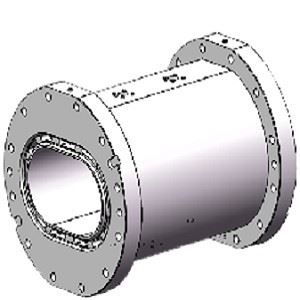
- Extrusion Screw Barrel: In some metal processing operations, extrusion screw barrels can be used to further process the shredded metal. For example, they can be used to form the shredded metal into specific shapes or to mix it with other materials.
- Rubber Elevator Belt: Rubber elevator belts are essential for transporting the shredded metal within the processing facility. They offer a reliable and efficient way to move the metal from one stage of the process to another.
Conclusion
In conclusion, a hammermill beater can indeed be used for metal processing, particularly for shredding soft metals and certain types of metal scraps. While there are limitations and challenges associated with this application, the advantages in terms of efficiency, versatility, and cost - effectiveness make it a viable option for many industries.
If you're interested in exploring the use of hammermill beaters for your metal processing needs, I encourage you to reach out for a detailed discussion. Our team of experts can provide you with more information on the suitability of our products for your specific requirements, as well as offer guidance on installation, operation, and maintenance.

References
- "Industrial Metal Recycling Handbook" - A comprehensive guide on metal recycling processes and equipment.
- "Hammermill Technology and Applications" - A technical publication that delves into the design and operation of hammermills.
- Industry reports on automotive and electronics recycling, which provide real - world examples of metal processing using hammermills.


