

How do I prevent damage to Pulverizer Spares during transportation?
Leave a message

As a supplier of Pulverizer Spares, ensuring the safe transportation of our products is of utmost importance. Damage during transportation can lead to significant losses for both us and our customers. In this blog, I will share some effective strategies on how to prevent damage to Pulverizer Spares during transportation.
Understanding the Vulnerabilities of Pulverizer Spares
Before we delve into the preventive measures, it's crucial to understand why Pulverizer Spares are vulnerable to damage during transportation. Pulverizer Spares often have complex structures and delicate components. For example, parts like the grinding hammers and sieves in the SFHM Series Fine - grinding Hammer Mill are precision - made and can be easily bent, cracked, or chipped if not properly protected. Additionally, the electrical components in some pulverizers are sensitive to shock and vibration, which can cause malfunctions.
Packaging Considerations
Custom - Designed Packaging
One of the first steps in preventing damage is to use custom - designed packaging. Each type of Pulverizer Spare has its own unique shape, size, and weight. A one - size - fits - all packaging approach is not sufficient. For instance, large and heavy parts like the main body of a pulverizer motor need a sturdy wooden crate with internal bracing to prevent movement. On the other hand, small and delicate parts such as bearings can be placed in foam - lined plastic containers.
Cushioning Materials
Cushioning materials play a vital role in protecting Pulverizer Spares. Foam, bubble wrap, and corrugated cardboard are commonly used. Foam is excellent for absorbing shock and vibration. It can be cut to fit the shape of the spare part precisely. Bubble wrap provides a layer of protection against minor impacts and scratches. Corrugated cardboard can be used as dividers between parts in a larger container to prevent them from rubbing against each other.
Sealing and Labeling
Proper sealing of the packaging is essential to prevent moisture and dust from entering. Use high - quality adhesive tapes to seal boxes and crates. Label the packages clearly with handling instructions, such as "Fragile," "This Side Up," and "Handle with Care." This will ensure that the shipping personnel are aware of the special requirements for these Pulverizer Spares.
Handling during Loading and Unloading
Trained Personnel
The personnel involved in loading and unloading the Pulverizer Spares should be well - trained. They need to understand the proper techniques for handling heavy and delicate parts. For example, when using forklifts to load large crates, they should ensure that the forks are properly positioned to avoid tilting or dropping the crate.
Use of Appropriate Equipment
Using the right equipment is crucial. For heavy parts, use cranes, forklifts, or pallet jacks. For small parts, hand trucks or trolleys can be used. Ensure that the equipment is in good working condition to prevent accidents during handling.
Transportation Mode Selection
Road Transport
Road transport is a common choice for many Pulverizer Spares. When choosing a road carrier, select a company with a good safety record. Make sure the trucks are equipped with shock - absorbing suspension systems to reduce the impact of bumps on the road. Also, consider the route and the expected traffic conditions. Avoid routes with rough terrain or heavy traffic that could increase the risk of damage.
Rail Transport
Rail transport can be a more stable option for long - distance transportation. Trains generally have less vibration compared to trucks. However, proper securing of the packages in the railcars is still necessary. Use tie - downs and braces to prevent the packages from shifting during transit.
Air Transport
For urgent deliveries, air transport can be considered. Although it is more expensive, it reduces the transit time and thus the exposure to potential damage. Ensure that the airline has experience in handling industrial equipment and that the packages are properly labeled for air travel.
Monitoring during Transportation
Real - Time Tracking
Implement a real - time tracking system for the shipments. This allows us to monitor the location and condition of the Pulverizer Spares throughout the transportation process. Some tracking devices can also measure factors such as temperature, humidity, and shock levels. If any abnormal conditions are detected, we can take immediate action.
Insurance
It is also important to have adequate insurance coverage for the Pulverizer Spares during transportation. In case of any unforeseen damage, the insurance will help cover the losses.
Inspection upon Arrival
Pre - arranged Inspection
Upon arrival at the customer's location, a pre - arranged inspection should be carried out. The customer and our representatives should be present to check the condition of the Pulverizer Spares. If any damage is found, it can be documented immediately, and the necessary steps can be taken, such as filing an insurance claim or providing replacement parts.
Feedback and Improvement
The inspection results should be used as feedback for continuous improvement. Analyze the causes of any damage that occurred during transportation and make necessary adjustments to our packaging, handling, or transportation methods.

Conclusion
Preventing damage to Pulverizer Spares during transportation requires a comprehensive approach that includes proper packaging, trained handling, appropriate transportation mode selection, monitoring, and inspection. By implementing these strategies, we can minimize the risk of damage and ensure that our customers receive high - quality Pulverizer Spares in a timely manner.
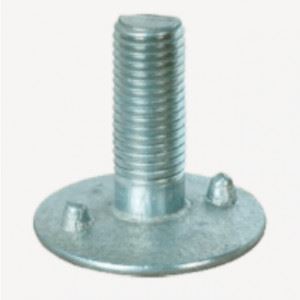
If you are interested in purchasing our Pulverizer Spares, such as Elevator Bolt and Plastic Conveyor Roller, please feel free to contact us for a detailed discussion on your specific needs. We are committed to providing you with the best products and services.
References
- "Transportation Packaging Handbook" by some experts in packaging field.
- Industry reports on the transportation of industrial equipment.


