

How to choose a hammer mill screen based on the material properties?
Leave a message

When it comes to the operation of a hammer mill, the choice of the screen is a critical decision that can significantly impact the efficiency, performance, and end - product quality. As a trusted Hammer Mill Screen supplier, I understand the complexity involved in this selection process. In this blog, I'll guide you through how to choose a hammer mill screen based on the material properties.
Understanding Material Hardness
The hardness of the material being processed is one of the most fundamental properties to consider. Hard materials, such as quartz, granite, or some types of metal ores, can cause significant wear on the hammer mill screen. For these hard materials, a screen made of high - strength and wear - resistant materials is essential.
High - carbon steel or alloy steel screens are often the preferred choice for hard materials. These materials can withstand the abrasion caused by the hard particles, ensuring a longer service life of the screen. The thickness of the screen also plays a role. A thicker screen is generally more suitable for hard materials as it can better resist the impact and wear. For example, a 6 - 8mm thick high - carbon steel screen might be a good option for processing granite.
On the other hand, soft materials like wood chips, sawdust, or some types of plastics require a different approach. These materials are less abrasive, so a thinner screen can be used. Stainless steel screens with a thickness of 2 - 3mm can be sufficient for soft materials. They are also more cost - effective and can provide the necessary screening function without the need for excessive durability.
Particle Size and Shape of the Material
The particle size and shape of the input material are crucial factors in screen selection. If the material has a wide range of particle sizes, a screen with a larger open area might be needed to prevent clogging. For instance, when processing agricultural products like grains that may contain some larger pieces along with smaller ones, a screen with a relatively large mesh size can ensure smooth material flow.
The shape of the particles also matters. Irregularly shaped particles, such as crushed stones, may require a screen with larger openings or a different hole pattern. Square or rectangular holes can be more suitable for irregular particles as they allow the particles to pass through more easily compared to round holes.
If the goal is to produce a very fine and uniform particle size, a screen with a smaller mesh size is necessary. For example, in the pharmaceutical industry, where the production of fine powders is common, screens with very small holes, sometimes in the range of 0.1 - 0.5mm, are used.
Material Moisture Content
Moisture content in the material can have a significant impact on the screening process. Materials with high moisture content, such as wet wood or freshly harvested grains, tend to stick to the screen, causing clogging and reducing the efficiency of the hammer mill.
For materials with high moisture, a screen with a smooth surface and anti - sticking properties is recommended. Stainless steel screens with a polished surface can help prevent the material from adhering. Additionally, a screen with a larger open area can reduce the chances of clogging. For example, a perforated stainless steel screen with a large percentage of open area can be effective for wet materials.
Dry materials, on the other hand, are less likely to cause clogging. However, they may generate more dust during the screening process. In such cases, a screen with a proper sealing mechanism can be used to prevent dust leakage.
Chemical Properties of the Material
The chemical properties of the material, such as its acidity or alkalinity, can also influence the choice of the hammer mill screen. Corrosive materials, like some chemicals or acidic ores, require a screen made of corrosion - resistant materials.
Stainless steel is a popular choice for corrosive materials due to its high resistance to oxidation and corrosion. Different grades of stainless steel, such as 304 and 316, offer varying levels of corrosion resistance. For highly corrosive materials, a 316 stainless steel screen might be the best option as it contains molybdenum, which enhances its corrosion resistance.
If the material is non - corrosive, a carbon steel screen can be used, which is more cost - effective. However, it's important to ensure that the screen is properly coated or treated to prevent rusting in case of exposure to moisture.
Compatibility with Hammer Mill Equipment
The screen must be compatible with the specific hammer mill equipment. Different hammer mills have different screen installation mechanisms, sizes, and operating parameters.
Before selecting a screen, it's essential to know the dimensions of the screen mounting area in the hammer mill. The screen should fit precisely to ensure proper operation and prevent material leakage. Some hammer mills may require a specific type of screen connection, such as a bolt - on or clamp - on design.
The operating speed and power of the hammer mill also need to be considered. A high - speed hammer mill may require a more robust screen to withstand the higher impact forces. For example, a screen used in a high - speed industrial hammer mill should be made of a stronger material and have a more secure installation to prevent it from vibrating loose.
Related Equipment and Their Impact
In a production line, other equipment can also have an impact on the performance of the hammer mill screen. For example, the SSPM Series Single Shaft Paddle Type Mixer can affect the uniformity of the material fed into the hammer mill. If the mixer does not mix the material evenly, it can lead to uneven wear on the screen.
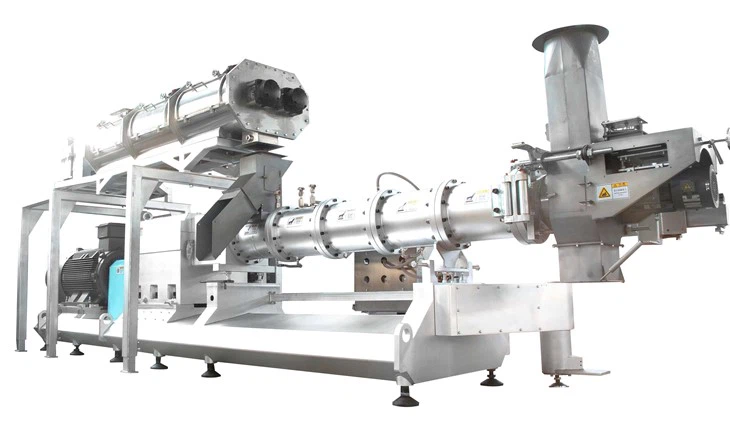
The STSE Series Twin Screw Extruder can change the physical properties of the material before it enters the hammer mill. If the extruder modifies the particle size or shape of the material, the screen selection may need to be adjusted accordingly.

The Cotton Conveyor Belt used to transport the material to the hammer mill can also play a role. A damaged or uneven conveyor belt can cause inconsistent material flow, which may lead to uneven wear on the screen or even clogging.
Conclusion
Choosing the right hammer mill screen based on the material properties is a complex but crucial task. By considering factors such as material hardness, particle size and shape, moisture content, chemical properties, and compatibility with the hammer mill equipment, you can ensure optimal performance and efficiency of your hammer mill.
As a Hammer Mill Screen supplier, I have a wide range of screens available to meet your specific needs. Whether you are processing hard metals, soft agricultural products, or corrosive chemicals, I can provide the right screen solution. If you are interested in purchasing hammer mill screens or need more information on screen selection, please feel free to contact me for a detailed consultation and procurement discussion.
References
- Perry, R. H., & Green, D. W. (1997). Perry's Chemical Engineers' Handbook. McGraw - Hill.
- Svarovsky, L. (1990). Solid - Liquid Separation. Butterworth - Heinemann.


