

How to improve the heat dissipation of discharging spares?
Leave a message

As a supplier of discharging spares, I understand the critical role that efficient heat dissipation plays in the performance and longevity of these components. In the following blog post, I'll share some insights and strategies for improving the heat dissipation of discharging spares, which can help your equipment operate more reliably and efficiently.

Understanding the Importance of Heat Dissipation
Discharging spares are often subjected to high temperatures during operation due to factors such as electrical current flow, friction, and mechanical stress. Excessive heat can have several detrimental effects on these components, including reduced performance, accelerated wear and tear, and even complete failure. By improving heat dissipation, we can mitigate these risks and ensure that the discharging spares operate within their optimal temperature range.
Factors Affecting Heat Dissipation
Before we delve into the strategies for improving heat dissipation, it's important to understand the factors that can affect the process. Some of the key factors include:
- Material Properties: The thermal conductivity of the materials used in the discharging spares can significantly impact heat dissipation. Materials with high thermal conductivity, such as copper and aluminum, are better at transferring heat away from the components.
- Surface Area: Increasing the surface area of the discharging spares can enhance heat transfer by providing more area for heat to dissipate. This can be achieved through the use of fins, heat sinks, or other surface texturing techniques.
- Airflow: Adequate airflow is essential for carrying away the heat generated by the discharging spares. Poor airflow can lead to heat buildup and reduced cooling efficiency.
- Ambient Temperature: The temperature of the surrounding environment can also affect the heat dissipation of the discharging spares. Higher ambient temperatures make it more difficult for the components to dissipate heat effectively.
Strategies for Improving Heat Dissipation
Based on the factors mentioned above, here are some practical strategies for improving the heat dissipation of discharging spares:
Select High-Thermal-Conductivity Materials
When designing and manufacturing discharging spares, prioritize the use of materials with high thermal conductivity. For example, copper and aluminum are commonly used in heat sinks and other cooling components due to their excellent heat transfer properties. By using these materials, you can ensure that heat is quickly transferred away from the critical components of the discharging spares.
Increase Surface Area
As mentioned earlier, increasing the surface area of the discharging spares can enhance heat dissipation. One effective way to do this is by adding fins to the components. Fins increase the surface area available for heat transfer, allowing the components to dissipate heat more efficiently. Additionally, surface texturing techniques, such as roughening or grooving, can also increase the surface area and improve heat transfer.
Improve Airflow
Adequate airflow is crucial for maintaining proper heat dissipation. Here are some ways to improve airflow around the discharging spares:
- Use Fans: Install fans near the discharging spares to increase the airflow and carry away the heat. Make sure to position the fans in a way that maximizes the airflow over the components.
- Design for Ventilation: Ensure that the enclosures or cabinets housing the discharging spares are designed with proper ventilation openings. This allows fresh air to enter and hot air to exit, promoting better heat dissipation.
- Avoid Obstructions: Keep the area around the discharging spares clear of any obstructions that may impede airflow. This includes cables, dust, and other debris.
Implement Cooling Systems
In some cases, the heat generated by the discharging spares may be too high to be dissipated through natural convection or forced airflow alone. In such situations, it may be necessary to implement additional cooling systems, such as liquid cooling or refrigeration. These systems can provide more efficient heat dissipation and help maintain the components at a lower temperature.
Monitor and Control Temperature
Regularly monitoring the temperature of the discharging spares is essential for ensuring optimal performance and preventing overheating. Install temperature sensors near the critical components and use a monitoring system to track the temperature in real-time. If the temperature exceeds the recommended range, take appropriate measures to reduce it, such as increasing the airflow or adjusting the load on the components.
Specific Solutions for Discharging Spares
In addition to the general strategies mentioned above, there are also some specific solutions that can be implemented for different types of discharging spares. Here are a few examples:
SFTC Series Fence Type Cooler
The SFTC Series Fence Type Cooler is a high-performance cooling solution specifically designed for discharging spares. This cooler features a unique fence-type design that provides excellent heat dissipation and airflow. The large surface area of the fence structure allows for efficient heat transfer, while the open design ensures that there are no obstructions to the airflow. Additionally, the SFTC Series Fence Type Cooler is made of high-quality materials with good thermal conductivity, further enhancing its cooling performance.
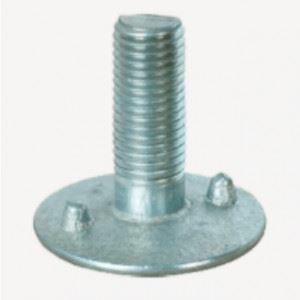
Elevator Bolt
The Elevator Bolt is a critical component in many discharging systems. To improve the heat dissipation of elevator bolts, it's important to ensure that they are properly lubricated. Lubrication reduces friction, which in turn reduces the heat generated during operation. Additionally, using elevator bolts made of materials with high thermal conductivity can help transfer heat away from the bolt and prevent overheating.
Imperial Roller Chain
The Imperial Roller Chain is another common component in discharging systems. To improve the heat dissipation of imperial roller chains, ensure that they are properly tensioned. A loose chain can cause excessive friction and heat generation, while an overly tight chain can also lead to increased stress and heat. Additionally, using a lubricant specifically designed for roller chains can help reduce friction and heat, and improve the overall performance and lifespan of the chain.
Conclusion
Improving the heat dissipation of discharging spares is essential for ensuring their reliable and efficient operation. By understanding the factors affecting heat dissipation and implementing the strategies and solutions outlined in this blog post, you can effectively manage the temperature of your discharging spares and prevent overheating. Whether you need high-thermal-conductivity materials, improved airflow, or specific cooling solutions, we are here to help. As a leading supplier of discharging spares, we have the expertise and products to meet your needs. If you have any questions or would like to discuss your specific requirements, please don't hesitate to contact us. We look forward to working with you to improve the performance and longevity of your discharging equipment.
References
- Incropera, F. P., & DeWitt, D. P. (2002). Fundamentals of heat and mass transfer. Wiley.
- Holman, J. P. (2002). Heat transfer. McGraw-Hill.
- Kakac, S., & Pramuanjaroenkij, A. (2005). Heat exchangers: selection, rating, and thermal design. CRC Press.


