

How to replace the rollers in drag conveyor spares?
Leave a message

Hey there! I'm a supplier of Drag Conveyor Spares. And today, I'm gonna walk you through the process of replacing the rollers in drag conveyor spares. It might seem a bit daunting at first, but with the right steps and a bit of know - how, you'll have it sorted in no time.
Why Replace the Rollers?
First off, let's talk about why you might need to replace the rollers in the first place. Over time, rollers can wear out due to constant use. They're exposed to friction, debris, and sometimes even harsh chemicals, depending on the environment the conveyor operates in. When the rollers start showing signs of excessive wear, like uneven rotation or visible damage, it's a good indication that it's time for a change. Worn - out rollers can lead to reduced conveyor efficiency, increased energy consumption, and even potential breakdowns, which can be a real headache in a production line.
Tools You'll Need
Before you start the replacement process, you'll need to gather some essential tools. You'll need a socket wrench set. This will be crucial for removing and tightening the bolts that hold the roller in place. A pair of pliers can be handy for any small parts that might need to be adjusted or removed. A screwdriver set is also useful, especially if there are any access panels or covers that need to be opened. And don't forget about safety gear! Gloves will protect your hands from sharp edges and debris, and safety glasses are a must to shield your eyes.
Step 1: Shut Down the Conveyor
This is a no - brainer, but it's super important. Before you even think about getting your hands dirty, you need to turn off the conveyor. Make sure it's completely powered down and locked out to prevent any accidental startups. This will not only protect you from injury but also ensure that the conveyor doesn't move while you're working on it.
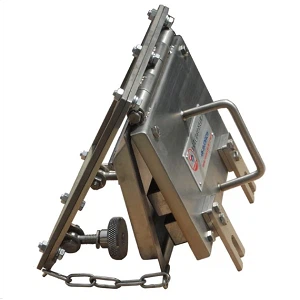

Step 2: Locate the Rollers
Once the conveyor is safely shut down, it's time to find the rollers that need to be replaced. Walk along the conveyor and look for any rollers that are visibly damaged or not rotating smoothly. You may also notice an increase in noise or vibration in the area of the worn - out rollers, which can help you pin down the exact location.
Step 3: Remove the Old Rollers
Now comes the hands - on part. Use your socket wrench to remove the bolts securing the roller to the conveyor frame. Be careful as you remove the bolts, as they can sometimes fall and get lost. Once the bolts are out, gently slide the old roller out from its position. You might need to use a little bit of force if the roller is stuck, but don't go overboard as you don't want to damage the conveyor frame.
Step 4: Inspect the Conveyor Frame
While the old roller is out, take a few minutes to inspect the conveyor frame where the roller was attached. Look for any signs of damage, such as cracks or excessive wear. If you notice any issues, it's a good idea to address them before installing the new roller. This can prevent future problems and ensure the longevity of the new roller.
Step 5: Install the New Roller
Take your new roller and carefully slide it into the position where the old one was removed. Make sure it's properly aligned with the conveyor frame. Once it's in place, use your socket wrench to tighten the bolts that hold the roller. Don't over - tighten them, as this can cause stress on the roller and the frame. Just make sure they're snug enough to keep the roller in place.
Step 6: Test the Conveyor
After you've installed the new roller, it's time to test the conveyor. Power it back on and observe the operation of the roller. It should rotate smoothly without any excessive noise or vibration. If you notice any issues, shut down the conveyor again and double - check the installation.
Additional Tips and Considerations
When choosing new rollers, make sure they're the right size and type for your conveyor. You can check the specifications of your conveyor to find the appropriate rollers. Also, it's a good idea to keep a few spare rollers on hand. This way, if another roller wears out, you can replace it quickly and minimize downtime.
If you're looking for related equipment, we also offer some great products like the SPMP Series Permanent Magnetic Plate. This magnetic plate is useful for removing ferrous contaminants from materials being conveyed. And our SECC Series En - masse Chain Conveyor is a high - quality option for heavy - duty material handling. We also have the STPC Series Tipping Plate Cooler for cooling applications in the conveyor system.
Conclusion
Replacing the rollers in drag conveyor spares isn't rocket science. By following these steps, having the right tools, and a bit of patience, you can ensure that your conveyor operates smoothly and efficiently. And if you've got any questions during the process or if you're in the market for new spares, don't hesitate to reach out. We're here to help you keep your conveyor up and running. Whether you need more rollers or other related products, we're your one - stop - shop for drag conveyor spares. So, if you're interested in purchasing high - quality conveyor spares, come and talk to us. We're looking forward to discussing your needs and getting you the best equipment for your operation.
References
- General knowledge of conveyor maintenance and repair from industry experience.
- Manufacturer's manuals for drag conveyor equipment.


