

What are the vibration levels of conveying equipment spares during operation?
Leave a message

Vibration is a critical parameter in the operation of conveying equipment spares. As a reliable supplier of conveying equipment spares, I've witnessed firsthand the significance of understanding vibration levels in ensuring the smooth and efficient operation of industrial machinery. In this blog post, I'll delve into the vibration levels of conveying equipment spares during operation, exploring the factors that influence them, the potential consequences of excessive vibration, and how to manage and monitor these levels effectively.
Understanding Vibration in Conveying Equipment Spares
Vibration in conveying equipment spares occurs due to various factors, including mechanical imbalances, misalignments, uneven loading, and the natural resonance of the equipment. When these spares are in operation, the movement of materials, the rotation of components, and the interaction between different parts can all contribute to the generation of vibrations.
For instance, in a conveyor belt system, the uneven distribution of the conveyed material can cause the belt to vibrate. Similarly, in a screw conveyor, the rotation of the screw shaft can create vibrations, especially if the shaft is not properly balanced or if there is wear and tear on the bearings. These vibrations can propagate through the equipment, affecting its performance and potentially leading to premature failure.
Factors Influencing Vibration Levels
Mechanical Imbalances
One of the primary causes of vibration in conveying equipment spares is mechanical imbalances. This can occur when the mass distribution of a rotating component, such as a pulley or a shaft, is not uniform. As the component rotates, the uneven mass distribution creates a centrifugal force that causes the equipment to vibrate. Over time, these vibrations can increase in amplitude, leading to more severe problems.
Misalignments
Misalignments between different components of the conveying equipment can also result in increased vibration levels. For example, if the conveyor belt is not properly aligned with the pulleys, it can cause the belt to run off - center, leading to uneven tension and vibration. Similarly, misaligned shafts in a gearbox or a motor can create additional stresses, resulting in excessive vibrations.
Material Characteristics
The characteristics of the conveyed material can also have a significant impact on vibration levels. Materials with irregular shapes, large particle sizes, or high densities can cause more vibration compared to fine - grained or low - density materials. Additionally, the flow rate and the consistency of the material can affect how it interacts with the equipment, influencing the vibration levels.
Wear and Tear
As conveying equipment spares age, they are subject to wear and tear. Worn bearings, belts, and gears can all contribute to increased vibration levels. For example, a worn bearing may not be able to support the load properly, causing the shaft to vibrate. Similarly, a frayed belt can create uneven tension, leading to vibration in the conveyor system.
Consequences of Excessive Vibration
Equipment Damage
Excessive vibration can cause significant damage to conveying equipment spares. The continuous stress from vibrations can lead to fatigue cracks in components such as shafts, frames, and housings. Over time, these cracks can propagate, eventually resulting in the failure of the equipment. Additionally, vibrations can cause loose connections, which can further exacerbate the problem and potentially lead to safety hazards.
Reduced Efficiency
High vibration levels can also reduce the efficiency of the conveying equipment. For example, in a conveyor belt system, excessive vibration can cause the belt to slip, reducing the material handling capacity. In a screw conveyor, vibrations can disrupt the smooth flow of materials, leading to blockages and reduced throughput.
Increased Maintenance Costs
The damage caused by excessive vibration often requires frequent maintenance and replacement of parts. This can significantly increase the operating costs of the equipment. Moreover, unplanned downtime due to equipment failure can result in lost production, further impacting the bottom line.
Monitoring and Managing Vibration Levels
Vibration Sensors
One of the most effective ways to monitor vibration levels in conveying equipment spares is by using vibration sensors. These sensors can be installed on critical components of the equipment to measure the amplitude, frequency, and direction of vibrations. By continuously monitoring these parameters, it is possible to detect early signs of problems and take proactive measures to prevent equipment failure.
Regular Inspections
Regular inspections of the conveying equipment are essential for identifying and addressing potential issues related to vibration. During these inspections, technicians can check for signs of wear and tear, misalignments, and mechanical imbalances. They can also tighten loose connections and replace worn parts to ensure the proper operation of the equipment.
Balancing and Alignment
To reduce vibration levels caused by mechanical imbalances and misalignments, it is necessary to perform regular balancing and alignment procedures. Balancing rotating components can help to minimize the centrifugal forces that cause vibration, while proper alignment ensures that the equipment operates smoothly.
Selecting the Right Spares
As a conveying equipment spares supplier, I understand the importance of providing high - quality spares that are designed to minimize vibration. When selecting spares, it is crucial to consider factors such as the material quality, the manufacturing process, and the design specifications. For example, using high - precision bearings and well - balanced pulleys can significantly reduce vibration levels in the equipment.
Related Equipment and Their Vibration Considerations
When it comes to conveying equipment spares, it's important to consider the entire system. There are several related pieces of equipment that also have their own vibration characteristics. For example, the Commercial Pulverizer Machine is often used in conjunction with conveying systems. During its operation, the high - speed rotation of the grinding components can generate vibrations. These vibrations need to be carefully managed to prevent them from affecting the connected conveying equipment.

The SPS Series Plan Sifter is another piece of equipment that can have an impact on the overall vibration levels. The sieving action in the plan sifter involves rapid movement, which can create vibrations. Ensuring proper installation and maintenance of the sifter can help to control these vibrations and prevent them from transferring to the conveying equipment.
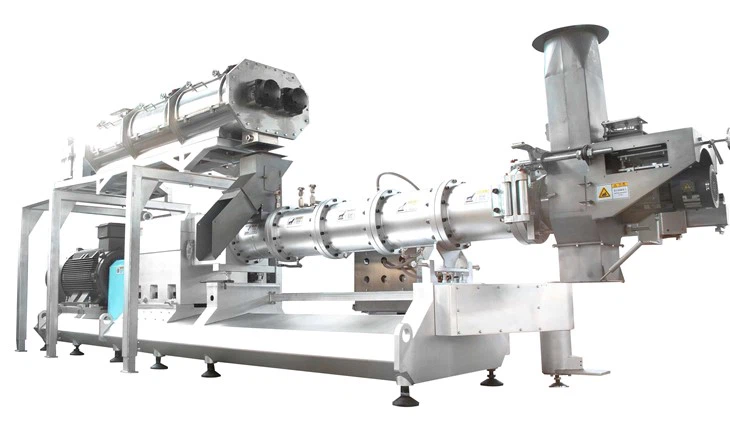
Similarly, the STSE Series Twin Screw Extruder is a complex piece of machinery that can generate significant vibrations during operation. The rotation of the twin screws and the pressure exerted on the material can cause the extruder to vibrate. Understanding and managing these vibrations is crucial for the efficient operation of the entire production line, including the conveying equipment.
Conclusion
In conclusion, understanding the vibration levels of conveying equipment spares during operation is essential for ensuring the reliability, efficiency, and safety of industrial machinery. By identifying the factors that influence vibration, monitoring these levels regularly, and taking appropriate measures to manage them, it is possible to extend the lifespan of the equipment and reduce operating costs.
As a leading supplier of conveying equipment spares, I am committed to providing high - quality products that are designed to minimize vibration and maximize performance. If you are in the market for conveying equipment spares or need advice on managing vibration levels in your equipment, I encourage you to reach out. Our team of experts is ready to assist you in finding the right solutions for your specific needs. Contact us today to start a discussion about your requirements and explore how our products can benefit your operations.
References
- Machinery Vibration: Measurement, Analysis, and Monitoring. John Wiley & Sons.
- Handbook of Conveying Equipment. Industrial Press Inc.
- Vibration Analysis for Rotating Machinery: Principles and Practice. McGraw - Hill Education.


