

What is the effect of the feed rate on an extrusion screw barrel?
Leave a message

Hey there! As a supplier of Extrusion Screw Barrel, I've seen firsthand how different factors can impact the performance of these crucial pieces of equipment. One factor that often flies under the radar but has a huge influence is the feed rate. In this blog, I'm gonna break down what the feed rate is, how it affects an extrusion screw barrel, and why it matters to you.
Understanding the Feed Rate
First things first, let's get clear on what the feed rate is. Simply put, the feed rate is the amount of material that's fed into the extrusion screw barrel per unit of time. It can be measured in various ways, like pounds per hour or kilograms per minute, depending on your preference. The feed rate is controlled by a feeder, which can be a volumetric feeder or a gravimetric feeder. Volumetric feeders measure the volume of the material being fed, while gravimetric feeders measure the weight.
How Feed Rate Affects the Extrusion Process
1. Melting and Mixing
The feed rate plays a critical role in the melting and mixing of the material inside the extrusion screw barrel. If the feed rate is too low, the material will have more time to melt and mix. This might sound like a good thing, but it can actually lead to overheating and degradation of the material. The long residence time can cause chemical reactions in the material that change its properties, affecting the quality of the final product.
On the other hand, if the feed rate is too high, the material won't have enough time to melt and mix properly. This can result in unmelted particles in the extruded product, which can lead to weaknesses, uneven surfaces, and other quality issues. For example, in plastic extrusion, insufficient melting can cause the plastic to have a rough texture or even break under stress.

2. Pressure and Torque
The feed rate also affects the pressure and torque inside the extrusion screw barrel. When the feed rate increases, more material is being pushed through the barrel, which increases the pressure. Higher pressure can put more stress on the screw and barrel, leading to increased wear and tear. It can also require more torque to turn the screw, which means the extruder motor has to work harder. This not only increases energy consumption but also raises the risk of mechanical failure.
Conversely, a low feed rate results in lower pressure and torque. While this might seem beneficial in terms of reducing wear, it can lead to inconsistent extrusion. The extruded product might have variations in thickness, diameter, or other dimensions, which can cause problems in downstream processing or end - use applications.
3. Output and Productivity
Obviously, the feed rate directly impacts the output of the extrusion process. A higher feed rate generally means more product is produced per unit of time, increasing productivity. However, as I mentioned earlier, there's a limit to how high the feed rate can go. If you push the feed rate too high without considering the capabilities of the extrusion screw barrel, you'll end up with poor - quality products and potentially damage the equipment.
Finding the optimal feed rate is a balancing act. You want to maximize output while maintaining product quality and ensuring the longevity of the extrusion screw barrel.
Real - World Examples and Considerations
Let's say you're working with a Industrial Hammer Mill Grinder to prepare the material before it goes into the extrusion screw barrel. The output of the grinder can influence the feed rate. If the grinder is producing a large amount of finely ground material, you might be able to increase the feed rate. But you still need to make sure the screw barrel can handle it.
Another thing to consider is the type of material you're using. Different materials have different melting points, viscosities, and flow properties. For instance, a high - viscosity material like some engineering plastics might require a lower feed rate to ensure proper melting and mixing compared to a low - viscosity material like polyethylene.
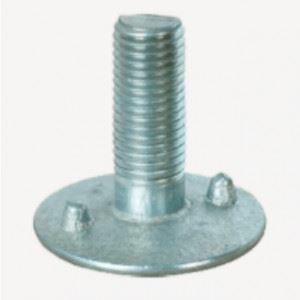
When it comes to maintenance, the feed rate can also affect the lifespan of components like Elevator Bolt and other parts in the extrusion system. A high feed rate can cause more abrasion and stress on these parts, leading to more frequent replacements.
The Importance of Fine - Tuning the Feed Rate
Fine - tuning the feed rate is essential for achieving the best results in extrusion. It's not a one - size - fits - all situation. You need to take into account the specific requirements of your product, the characteristics of the material, and the capabilities of your extrusion equipment.
One way to optimize the feed rate is through trial and error. Start with a conservative feed rate and gradually increase it while monitoring the quality of the extruded product and the performance of the equipment. If you notice any issues, like poor melting or excessive pressure, you can adjust the feed rate accordingly.
Advanced extrusion systems often come with sensors and control systems that can help you monitor and adjust the feed rate in real - time. These systems can measure parameters like pressure, temperature, and torque and make automatic adjustments to keep the process running smoothly.
Why it Matters to You as a Buyer
As a buyer, understanding the effect of the feed rate on an extrusion screw barrel is crucial. It can help you make informed decisions when purchasing equipment. You need to choose an extrusion screw barrel that can handle the feed rate required for your production volume and product quality.
If you're using a Fine - grinding Hammer Mill to process your material, make sure the feed rate of the mill is compatible with the extrusion screw barrel. This will ensure a seamless production process and high - quality products.
Moreover, proper management of the feed rate can save you money in the long run. By avoiding over - or under - feeding, you can reduce material waste, energy consumption, and equipment maintenance costs.
Let's Connect for Your Extrusion Needs
If you're in the market for an Extrusion Screw Barrel or have questions about how the feed rate can impact your extrusion process, don't hesitate to reach out. We're here to help you find the right solution for your specific requirements. Whether you're a small - scale operation or a large - scale manufacturer, we've got the expertise and the products to meet your needs. Contact us for a free consultation and let's start a conversation about taking your extrusion process to the next level.
References
[List any relevant industry standards, textbooks, or research papers here. For example:]
- "Extrusion of Plastics: Theory and Practice" by M. Xanthos
- "Handbook of Plastic Extrusion Technology" by O. Olabisi


