

What is the toughness of bucket elevator spares?
Leave a message

In the realm of industrial equipment, bucket elevators play a crucial role in transporting bulk materials vertically. As a trusted supplier of Bucket Elevator Spares, I've witnessed firsthand the significance of understanding the toughness of these spares. Toughness, in the context of bucket elevator spares, is a multi - faceted concept that encompasses various aspects such as material strength, durability, and resistance to wear and tear.
Material Composition and Its Impact on Toughness
The materials used in manufacturing bucket elevator spares are the foundation of their toughness. For instance, buckets can be made from different materials, each with its own set of properties. Steel buckets are known for their high strength and ability to withstand heavy loads. They are suitable for transporting abrasive materials such as coal, ore, and gravel. The inherent hardness of steel allows it to resist the impact and abrasion caused by the continuous movement of these rough materials.
On the other hand, plastic buckets are lightweight and corrosion - resistant. They are often used in environments where the transported materials are non - abrasive and may cause corrosion to metal components. Although plastic is not as strong as steel in terms of pure impact resistance, it has its own form of toughness. Plastic buckets can flex under stress without breaking, which is beneficial in some applications where a certain degree of flexibility is required.
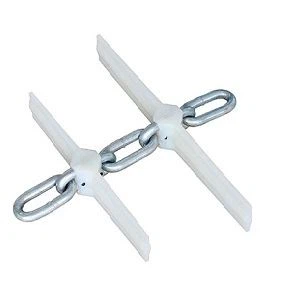
Chains, another essential part of bucket elevators, also vary in material. The Round Steel Chain is a popular choice due to its excellent tensile strength. It can handle large loads and is resistant to stretching under normal operating conditions. The round shape of the chain links also helps in reducing friction during movement, which contributes to its overall toughness and longevity.
Wear Resistance: A Key Indicator of Toughness
Wear resistance is a critical factor when evaluating the toughness of bucket elevator spares. The constant movement of materials against the buckets, chains, and other components leads to gradual wear. To combat this, manufacturers use various techniques to enhance wear resistance.
For buckets, surface treatments such as hardening can be applied. This involves heat - treating the surface of the bucket to increase its hardness, making it more resistant to abrasion. In addition, some buckets are lined with wear - resistant materials such as rubber or ceramic. These linings act as a buffer between the bucket and the transported material, reducing the direct impact and wear on the bucket itself.
Chains are also treated to improve wear resistance. For example, some chains are coated with a special anti - wear layer that reduces friction and protects the chain from corrosion. This coating not only extends the life of the chain but also ensures smooth operation of the bucket elevator.
Fatigue Resistance and Toughness
In a bucket elevator, components are subjected to repeated stress cycles. This can lead to fatigue, which is the weakening of a material over time due to cyclic loading. Fatigue resistance is an important aspect of toughness as it determines how long a spare part can last under continuous operation.
Rollers are an example of components that need high fatigue resistance. Plastic Conveyor Roller is designed to rotate continuously, supporting the movement of the buckets and chains. The plastic material used in these rollers is engineered to withstand the repeated stress of rotation without cracking or deforming. Manufacturers use advanced polymer formulations to enhance the fatigue resistance of plastic rollers, ensuring they can operate reliably for extended periods.
Environmental Factors and Their Influence on Toughness
The environment in which a bucket elevator operates can have a significant impact on the toughness of its spares. In harsh industrial environments, factors such as high temperatures, humidity, and exposure to chemicals can degrade the materials used in the spares.
For example, in a hot environment, the mechanical properties of metals can change. Steel may become softer at high temperatures, reducing its strength and impact resistance. To counter this, special heat - resistant alloys can be used in the manufacturing of spares such as buckets and chains. These alloys are designed to maintain their mechanical properties even at elevated temperatures.
In humid or corrosive environments, corrosion can be a major problem. Plastic and stainless - steel components are often preferred in such conditions as they are more resistant to corrosion. However, even these materials may require additional protection, such as coatings or sealants, to ensure long - term toughness.
The Role of Design in Ensuring Toughness
Good design is essential for ensuring the toughness of bucket elevator spares. The shape and structure of a component can affect its stress distribution and resistance to damage.
For buckets, a well - designed shape can minimize the impact of the transported material. Buckets with a smooth interior surface and rounded edges reduce the turbulence of the material during filling and discharging, which in turn reduces wear. Additionally, the attachment points of the buckets to the chains are designed to evenly distribute the load, preventing stress concentration and premature failure.
Chains are also carefully designed to ensure optimal performance. The link geometry is optimized to reduce stress concentrations and improve the chain's flexibility. This allows the chain to move smoothly around the sprockets, reducing wear and tear.
Quality Control and Testing for Toughness
As a supplier of Bucket Elevator Spares, we understand the importance of quality control and testing. Every spare part undergoes rigorous testing to ensure it meets the required standards of toughness.
We test the material properties of the spares, including hardness, tensile strength, and impact resistance. For example, we use impact testing machines to simulate the real - world impact that a bucket or chain may experience during operation. This helps us to identify any weaknesses in the material and make necessary improvements.
In addition, we conduct endurance tests on the spares. These tests involve running the components under simulated operating conditions for an extended period to check for signs of fatigue and wear. Only after passing these tests are the spares approved for sale.
The Significance of Toughness in Industrial Operations
The toughness of bucket elevator spares is directly related to the efficiency and reliability of industrial operations. A breakdown of a bucket elevator due to the failure of a spare part can result in costly downtime. By using tough and durable spares, companies can minimize the risk of breakdowns and ensure continuous operation.
Tough spares also reduce the frequency of replacement, which saves on maintenance costs. In the long run, investing in high - quality, tough bucket elevator spares is a cost - effective solution for industrial businesses.

Contact for Purchase and Discussion
If you are in the market for high - quality, tough bucket elevator spares, we are here to assist you. Our team of experts can provide you with detailed information about our products and help you choose the right spares for your specific needs. Whether you need Plastic Conveyor Roller, Round Steel Chain, or other bucket elevator components, we have a wide range of options to meet your requirements. Contact us today to start the purchase and negotiation process, and let us help you ensure the smooth and efficient operation of your bucket elevator.
References
- "Industrial Conveying Equipment Handbook", John Wiley & Sons, Inc.
- "Materials Science and Engineering: An Introduction", William D. Callister, Jr. and David G. Rethwisch


