

What is the working principle of a Hammermill Beater?
Leave a message

A hammermill beater is a crucial component in a hammermill, a machine widely used in various industries for size reduction of materials. As a supplier of hammermill beaters, I am often asked about their working principle. In this blog post, I will delve into the details of how a hammermill beater operates and its significance in the overall functioning of a hammermill.
Basic Structure of a Hammermill Beater
A hammermill beater typically consists of a series of hammers mounted on a rotating shaft. The hammers are usually made of high - strength materials such as hardened steel or alloy steel to withstand the impact forces during operation. They are designed in different shapes and sizes depending on the specific application and the type of material to be processed.
The rotating shaft is powered by an electric motor or an engine, which provides the necessary rotational speed and torque. The speed of the shaft can vary depending on the requirements of the material processing, but it is generally in the range of several hundred to several thousand revolutions per minute (RPM).
Working Principle of a Hammermill Beater
The working principle of a hammermill beater is based on the concept of impact and attrition. When the material to be processed is fed into the hammermill, it enters the grinding chamber where the rotating beaters are located.
Impact Crushing
As the beaters rotate at high speed, the hammers strike the incoming material with great force. This impact causes the material to break into smaller pieces. The force of impact depends on several factors, including the rotational speed of the shaft, the mass of the hammers, and the size and hardness of the material.
For example, if we are processing brittle materials like limestone or coal, the high - speed impact of the hammers can easily shatter the material into smaller fragments. The shape of the hammers also plays a role in the impact process. Some hammers are designed with sharp edges to enhance the cutting effect, while others have a more rounded shape to provide a more blunt impact.
Attrition
In addition to impact, attrition also occurs within the hammermill. As the material is repeatedly struck by the hammers and collides with other particles in the grinding chamber, it is further reduced in size through the rubbing and scraping action between the particles. This attrition process helps to produce a more uniform particle size distribution in the final product.
The material continues to be processed in the grinding chamber until it reaches the desired particle size. The smaller particles then pass through the screen at the bottom of the grinding chamber, while the larger particles are retained and continue to be impacted and attrited by the beaters.
Factors Affecting the Performance of a Hammermill Beater
Several factors can affect the performance of a hammermill beater. These include:
Material Properties
The hardness, moisture content, and particle size of the material being processed have a significant impact on the performance of the beater. Harder materials require more force to break, which may result in higher wear on the hammers. Moisture - rich materials can cause clogging in the grinding chamber, reducing the efficiency of the beater.

Rotational Speed
The rotational speed of the shaft directly affects the impact force of the hammers. A higher rotational speed generally results in more efficient size reduction, but it also increases the wear on the hammers and other components of the hammermill. Therefore, the optimal rotational speed needs to be determined based on the specific material and processing requirements.
Hammer Design and Configuration
The design and configuration of the hammers, such as their shape, size, and number, can also affect the performance of the beater. Different hammer designs are suitable for different types of materials and processing applications. For example, a beater with more hammers may provide a higher throughput but may also require more power to operate.
Applications of Hammermill Beaters
Hammermill beaters are used in a wide range of industries for various applications, including:
Food Processing
In the food industry, hammermills with beaters are used to grind grains, spices, and other food ingredients into fine powders. This helps to improve the texture and quality of the food products and also facilitates the mixing and processing of different ingredients.
Pharmaceutical Industry
In the pharmaceutical industry, hammermill beaters are used to reduce the particle size of drugs and excipients. This is important for improving the solubility and bioavailability of the drugs, as well as for ensuring uniform distribution of the active ingredients in the final product.
Recycling Industry
In the recycling industry, hammermills with beaters are used to shred and grind waste materials such as plastics, rubber, and metal scraps. This helps to reduce the volume of the waste and also facilitates the separation and recycling of different materials.
Related Products and Their Significance
As a supplier of hammermill beaters, we also offer a range of related products that can enhance the overall efficiency of the material processing system.
One such product is the FBPS Series Fully - automatic Bag - feeding Packing Scale. This packing scale can be used to accurately weigh and pack the processed material into bags, ensuring consistent product quality and efficient packaging operations.
Another important product is the Patterned Conveyor Belt. This conveyor belt can be used to transport the material to and from the hammermill, with its patterned surface providing better grip and stability during the conveying process.
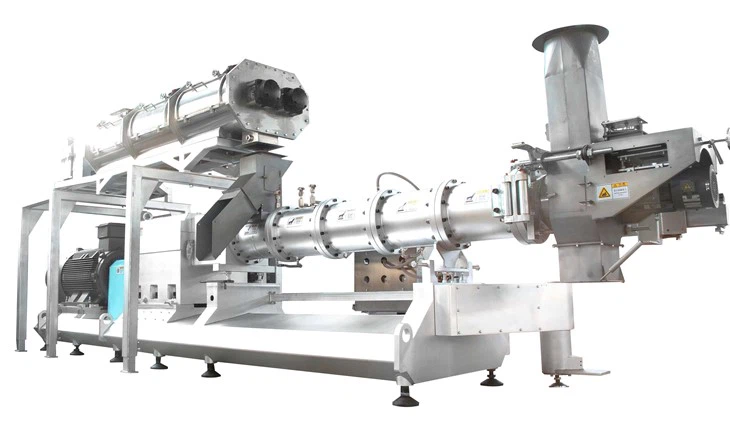
We also offer the STSE Series Twin Screw Extruder. This extruder can be used in combination with the hammermill to further process the ground material, such as in the production of pellets or other shaped products.
Conclusion and Call to Action
Understanding the working principle of a hammermill beater is essential for optimizing its performance and achieving efficient material processing. As a leading supplier of hammermill beaters and related products, we are committed to providing high - quality solutions to meet the diverse needs of our customers.
If you are in the market for hammermill beaters or any of our related products, we invite you to contact us for more information and to discuss your specific requirements. Our team of experts is ready to assist you in selecting the right products and answering any questions you may have. Let's work together to improve your material processing operations and achieve greater efficiency and productivity.
References
- Perry, R. H., & Green, D. W. (Eds.). (1997). Perry's Chemical Engineers' Handbook. McGraw - Hill.
- Svarovsky, L. (1990). Solid - Liquid Separation. Butterworth - Heinemann.
- McCarthy, J. L. (2007). Introduction to Powder Technology. Wiley - VCH.


