

How to maintain belt conveyor spares?
Leave a message

Maintaining belt conveyor spares is crucial for ensuring the smooth operation and longevity of your conveyor system. As a Belt Conveyor Spares supplier, I've seen firsthand the impact that proper maintenance can have on the performance and efficiency of these systems. In this blog, I'll share some tips and best practices on how to maintain belt conveyor spares to keep your conveyor running at its best.
Regular Inspections
The first step in maintaining belt conveyor spares is to conduct regular inspections. This involves checking the condition of the belts, rollers, bearings, and other components on a regular basis. Look for signs of wear and tear, such as cracks, fraying, or excessive wear on the belts. Check the rollers for proper alignment and smooth rotation. Inspect the bearings for any signs of damage or overheating. By catching these issues early, you can prevent more serious problems from occurring and avoid costly downtime.

Cleaning and Lubrication
Keeping your belt conveyor spares clean and properly lubricated is essential for their performance and longevity. Regularly clean the belts, rollers, and other components to remove dirt, debris, and other contaminants. Use a mild detergent and water to clean the belts, and make sure to dry them thoroughly before reinstalling. Lubricate the bearings and other moving parts according to the manufacturer's recommendations. This will help reduce friction and wear, and ensure smooth operation.
Belt Tension
Proper belt tension is crucial for the efficient operation of your belt conveyor. If the belt is too loose, it can slip or cause the conveyor to malfunction. If the belt is too tight, it can put excessive stress on the components and cause premature wear. Use a tension gauge to measure the belt tension and adjust it as needed. Make sure to follow the manufacturer's recommendations for belt tension to ensure optimal performance.
Component Replacement
Over time, belt conveyor spares will wear out and need to be replaced. It's important to keep a stock of spare parts on hand to minimize downtime in the event of a failure. When replacing components, make sure to use high-quality parts that are compatible with your conveyor system. This will ensure that the new components will work properly and last longer.
Training and Education
Proper training and education are essential for maintaining belt conveyor spares. Make sure that your employees are trained on how to operate and maintain the conveyor system safely and effectively. Provide them with the necessary tools and resources to perform regular inspections, cleaning, and lubrication. Encourage them to report any issues or concerns immediately so that they can be addressed promptly.
Choosing the Right Spares
As a Belt Conveyor Spares supplier, I understand the importance of choosing the right spares for your conveyor system. When selecting spares, it's important to consider the specific requirements of your system, such as the type of conveyor, the operating environment, and the load capacity. Make sure to choose spares that are designed to meet these requirements and are of high quality.
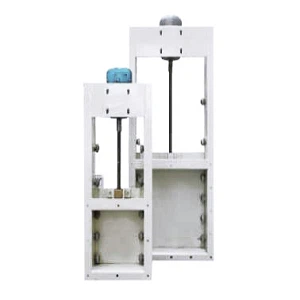
Some of the spares that we offer include Metric Roller Chain, SESG Series Electrical Slide Gate, and Non-standard Hammermill Screen Sheet. These spares are designed to provide reliable performance and long service life, and are suitable for a wide range of conveyor applications.
Conclusion
Maintaining belt conveyor spares is essential for ensuring the smooth operation and longevity of your conveyor system. By following these tips and best practices, you can keep your conveyor running at its best and avoid costly downtime. If you have any questions or need assistance with maintaining your belt conveyor spares, please don't hesitate to contact us. We're here to help you keep your conveyor system in top condition.
References
- Conveyor Belt Handbook, Manufacturer's Guide
- Industrial Conveyor Maintenance Best Practices, Industry Report


