

How to overcome the limitations of extruding spares with complex geometries?
Leave a message

Hey there! I'm a supplier of extruding spares, and I've been in this game for quite a while. One of the biggest challenges we face in the industry is extruding spares with complex geometries. It's like trying to fit a square peg into a round hole sometimes, but don't worry, I've got some tips and tricks to share on how to overcome these limitations.

Understanding the Challenges
First off, let's talk about why extruding spares with complex geometries is such a pain. For starters, the extrusion process is based on pushing material through a die to create a specific shape. When the shape is simple, like a rod or a tube, it's relatively easy. But when you've got a part with lots of curves, angles, and intricate details, things get a whole lot more complicated.
One of the main issues is that the material needs to flow evenly through the die. If there are areas where the flow is restricted or uneven, it can lead to defects like voids, cracks, or inconsistent wall thickness. This is especially true for materials that are more viscous or have a high melt flow index.
Another challenge is the tooling. Creating a die for a complex geometry is no easy feat. It requires precision machining and a deep understanding of the material's properties. If the die isn't designed correctly, it can cause problems during the extrusion process, such as excessive wear, poor surface finish, or even breakage.
Overcoming the Limitations
Material Selection
The first step in overcoming the limitations of extruding complex geometries is to choose the right material. Different materials have different properties, and some are better suited for complex shapes than others. For example, materials with a lower melt viscosity tend to flow more easily through the die, which can help reduce the risk of defects.
Some common materials used in extrusion include plastics, metals, and composites. When selecting a material, consider factors such as its strength, flexibility, chemical resistance, and cost. You may also want to consult with a material supplier or an extrusion expert to get their recommendations.
Die Design
As I mentioned earlier, the die design is crucial for successful extrusion of complex geometries. A well-designed die can help ensure that the material flows evenly through the die and that the final part has the desired shape and dimensions.
When designing a die, it's important to consider factors such as the material's flow characteristics, the shape of the part, and the extrusion process parameters. The die should be designed to minimize restrictions in the flow path and to provide uniform pressure distribution. This may involve using features such as flow channels, mandrels, or inserts to control the material flow.
In addition, the die should be made from a high-quality material that can withstand the high pressures and temperatures involved in the extrusion process. Common materials used for die construction include tool steel, carbide, and ceramic.
Process Optimization
Once you've selected the right material and designed the die, the next step is to optimize the extrusion process. This involves adjusting the process parameters, such as the temperature, pressure, and speed, to ensure that the material flows evenly through the die and that the final part has the desired properties.
One of the key process parameters is the temperature. The temperature of the material and the die can have a significant impact on the flow characteristics and the quality of the final part. If the temperature is too low, the material may not flow easily through the die, which can lead to defects. On the other hand, if the temperature is too high, the material may degrade or become too soft, which can also cause problems.
Another important process parameter is the pressure. The pressure applied to the material during extrusion can affect the density, strength, and surface finish of the final part. It's important to find the right balance between too much and too little pressure to ensure that the material flows evenly through the die without causing any damage.
Finally, the speed of the extrusion process can also have an impact on the quality of the final part. If the speed is too fast, the material may not have enough time to flow evenly through the die, which can lead to defects. On the other hand, if the speed is too slow, it can increase the production time and cost.
Post-Processing
In some cases, post-processing may be required to achieve the desired shape and properties of the final part. This may involve operations such as machining, drilling, or finishing to remove any excess material or to improve the surface finish.
Post-processing can also be used to add additional features or functionality to the part. For example, you may want to add threads, holes, or other features to the part to make it easier to assemble or use.
Real-World Examples
To give you a better idea of how these techniques can be applied in the real world, let's take a look at some examples of extruding spares with complex geometries.
Plastic Elevator Bucket
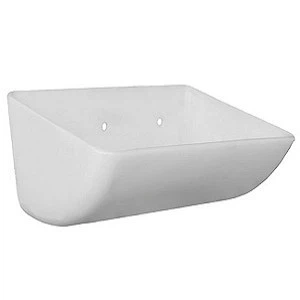
The Plastic Elevator Bucket is a common component used in conveyor systems. It has a complex geometry with a curved shape and a reinforced lip to prevent spillage. To extrude this part, we used a high-strength plastic material with a low melt viscosity to ensure that the material flowed evenly through the die. The die was designed with a series of flow channels to control the material flow and to provide uniform pressure distribution. After extrusion, the part was machined to add the necessary holes and features.
SHHC Series High Efficiency Hygeian Conditioner
The SHHC Series High Efficiency Hygeian Conditioner is a specialized piece of equipment used in the food processing industry. It has a complex geometry with multiple chambers and channels to ensure efficient conditioning of the food products. To extrude this part, we used a corrosion-resistant metal material with a high strength-to-weight ratio. The die was designed with a mandrel to control the material flow and to create the internal chambers and channels. After extrusion, the part was heat-treated to improve its strength and durability.
SCHM Series Coarse-grinding Hammer Mill
The SCHM Series Coarse-grinding Hammer Mill is a heavy-duty piece of equipment used in the mining and construction industries. It has a complex geometry with a large number of hammers and screens to ensure efficient grinding of the materials. To extrude this part, we used a high-strength composite material with a high abrasion resistance. The die was designed with a series of inserts to control the material flow and to create the complex shape of the hammers and screens. After extrusion, the part was coated with a wear-resistant material to improve its lifespan.
Conclusion
Extruding spares with complex geometries is a challenging but achievable task. By choosing the right material, designing the die correctly, optimizing the extrusion process, and using post-processing techniques, you can overcome the limitations and produce high-quality parts that meet your specific requirements.
If you're in the market for extruding spares with complex geometries, I'd love to hear from you. We have a team of experienced engineers and technicians who can help you with every step of the process, from material selection to final production. Contact us today to discuss your project and to get a quote.
References
- "Extrusion: The Definitive Processing Guide and Handbook" by Christopher Rauwendaal
- "Plastics Extrusion Technology" by Allan A. Griff
- "Metal Extrusion: Theory and Practice" by G. E. Dieter


