How to recycle old conveying equipment spares?
Leave a message

Hey there! As a supplier of Conveying Equipment Spares, I've seen a fair share of old and worn - out parts. Recycling these spares isn't just good for the environment; it can also save you some bucks and keep your operations running smoothly. So, let's dive into how to recycle old conveying equipment spares.
Why Recycle?
First off, you might be wondering why bother recycling. Well, for starters, it's great for the planet. There's a ton of waste generated by industrial equipment these days, and recycling helps cut down on that. By reusing materials from old spares, we reduce the need for new raw materials, which in turn saves energy and reduces pollution.
Secondly, it can be cost - effective. Instead of buying brand - new parts all the time, recycling allows you to get some use out of the old ones at a lower cost. You can either refurbish the parts yourself or sell them to recycling companies and use the money towards new purchases.
Assessing the Spares
The first step in recycling old conveying equipment spares is to assess them. You need to figure out which parts are still in good enough condition to be reused or refurbished. Take a close look at each part. Check for signs of wear, like cracks, corrosion, or excessive wear and tear.
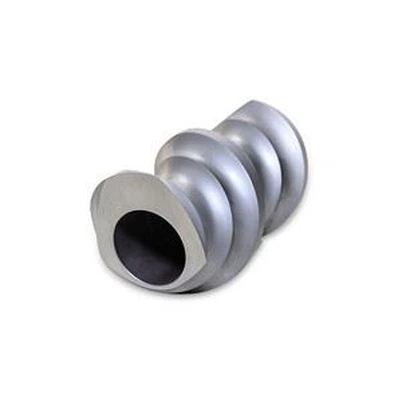
For example, if you have an Extrusion Screw, look at the threads. If they're still sharp and there's no significant damage, it might be a good candidate for recycling. On the other hand, if the screw is bent or has deep grooves, it might be beyond repair.
You can also use measuring tools to check the dimensions of the parts. If they're still within the acceptable tolerance range, they're more likely to be reusable. Make a list of the parts that seem salvageable and those that need to be discarded.


Refurbishing
Once you've identified the parts that can be recycled, the next step is refurbishing. Refurbishing involves cleaning, repairing, and sometimes upgrading the parts to make them like new again.
Start by cleaning the parts thoroughly. Use appropriate cleaning agents to remove dirt, grease, and any other contaminants. You can use a wire brush or a pressure washer for stubborn dirt. After cleaning, inspect the parts again to see if there are any hidden damages.
If there are minor damages, like small cracks or chips, you can repair them. For metal parts, you might be able to use welding or brazing to fix the cracks. For plastic parts, you can use adhesives or heat - welding techniques.
Upgrading the parts can also be a good idea. For instance, you can add a new coating to a part to make it more resistant to corrosion or wear. This can extend the lifespan of the part and make it more valuable.
Selling or Donating
If you don't have the time or resources to refurbish the parts yourself, you can sell them to recycling companies. There are many companies out there that specialize in buying old industrial parts. They'll assess the parts and offer you a price based on their condition and market value.
Before selling, do some research to find out what the going rate is for the parts you have. You can check online marketplaces or industry forums to get an idea. Make sure to provide accurate information about the parts, including their condition, dimensions, and any relevant history.
Another option is to donate the parts. There might be local schools, vocational training centers, or non - profit organizations that could use the parts for educational or research purposes. Donating can be a great way to give back to the community and also get some tax benefits in some cases.
Recycling Non - Refurbishable Parts
Not all parts will be suitable for refurbishing. For those that can't be reused, proper recycling is still important. Many conveying equipment spares are made of metals, plastics, or rubber, and these materials can be recycled.
For metal parts, they can be melted down and used to make new metal products. There are recycling facilities that specialize in metal recycling. They'll separate the different types of metals and process them accordingly.
Plastic parts can also be recycled. They can be shredded and then melted down to make new plastic products. However, different types of plastics need to be recycled separately, so make sure to sort them out before sending them to the recycling facility.
Rubber parts can be ground into small pieces and used as a filler in other products, like asphalt or new rubber products.
Case Study: Recycling SCHM Series Coarse - grinding Hammer Mill Spares
Let's take a look at a real - life example. A few months ago, one of our customers had an old SCHM Series Coarse - grinding Hammer Mill that was no longer in use. The mill had several worn - out parts, including the hammers, the screen, and the bearings.
First, we assessed the parts. The hammers had some wear on the edges, but the overall structure was still intact. The screen had a few holes, and the bearings were starting to make noise.
We decided to refurbish the hammers. We cleaned them, sharpened the edges, and added a new wear - resistant coating. The screen was repaired by patching the holes with a similar mesh material. As for the bearings, we replaced them with new ones.
After refurbishing, the mill was like new again. The customer was able to save a significant amount of money compared to buying a brand - new mill. And by recycling the parts, we also reduced the environmental impact.
Another Example: Pellet Mill Ring Die
Pellet Mill Ring Dies are often subject to high levels of wear and tear. When a Ring Die starts to show signs of excessive wear, it can affect the quality of the pellets produced.
We've had customers come to us with old Ring Dies that they thought were useless. But after a thorough assessment, we found that many of them could be recycled. We cleaned the dies, removed any built - up debris, and then re - drilled the holes to the correct size. In some cases, we also applied a new surface treatment to make the dies more resistant to wear.
The recycled Ring Dies performed just as well as new ones, and the customers were very happy with the cost savings.
Conclusion
Recycling old conveying equipment spares is a win - win situation. It's good for the environment, can save you money, and can also keep your operations running smoothly. Whether you choose to refurbish the parts yourself, sell them, donate them, or recycle the non - refurbishable parts, there are plenty of options available.
If you're interested in learning more about recycling your old conveying equipment spares or if you're looking to purchase high - quality spares, don't hesitate to reach out. We're here to help you make the most of your equipment and contribute to a more sustainable future.
References
- Industrial Recycling Handbook: A Guide to Recycling Industrial Materials and Equipment
- Journal of Sustainable Manufacturing: Articles on Recycling and Refurbishment of Industrial Parts
- Conveying Equipment Manufacturer's Association (CEMA) Publications on Equipment Maintenance and Recycling