

What are the trade regulations for extruded spares?
Leave a message

What are the trade regulations for extruded spares?
As a supplier of extruding spares, I've witnessed firsthand the complexities and nuances of the trade regulations that govern our industry. These regulations play a crucial role in shaping the way we conduct business, from sourcing raw materials to delivering finished products to our customers. In this blog post, I'll delve into the key trade regulations for extruded spares, exploring their implications for suppliers like me and the broader industry.
Tariffs and Duties
Tariffs and duties are among the most significant trade regulations affecting the extruded spares industry. These are taxes imposed by governments on imported goods, designed to protect domestic industries, generate revenue, or address trade imbalances. The rates of tariffs and duties can vary widely depending on the country of origin, the type of product, and the specific trade agreements in place.
For example, if I'm importing raw materials for my extruded spares from a country with which my home country has a free trade agreement, I may be eligible for reduced or zero tariffs. This can significantly lower my production costs and make my products more competitive in the market. On the other hand, if I'm importing from a country with high tariffs, I'll need to factor these additional costs into my pricing strategy, which could potentially make my products less attractive to customers.
In addition to tariffs, there are also anti - dumping and countervailing duties. Anti - dumping duties are imposed when a foreign company sells its products in another country at a price lower than their normal value in the home market, causing injury to the domestic industry. Countervailing duties are levied to offset subsidies provided by foreign governments to their domestic producers. These duties can have a substantial impact on the cost and availability of extruded spares in the market.
Quality and Safety Standards
Quality and safety standards are another critical aspect of trade regulations for extruded spares. These standards are established to ensure that products meet certain minimum requirements in terms of performance, durability, and safety. They are often set by national or international organizations, such as the International Organization for Standardization (ISO) or the European Union's CE marking requirements.
As a supplier, I'm required to ensure that my extruded spares comply with these standards. This involves rigorous testing and quality control measures throughout the production process. For instance, my products may need to undergo mechanical testing to ensure they can withstand the expected loads and stresses, chemical analysis to verify the composition of the materials used, and safety testing to prevent any potential hazards to users.
Complying with quality and safety standards is not only a legal obligation but also a way to build trust with my customers. Customers are more likely to choose products that meet recognized standards, as they can be confident in the quality and reliability of these products. Failure to comply with these standards can result in significant penalties, including fines, product recalls, and damage to my company's reputation.
Documentation and Certification
Proper documentation and certification are essential for international trade of extruded spares. When exporting or importing products, I need to provide a range of documents to prove the origin, value, and compliance of my goods. These documents may include commercial invoices, packing lists, bills of lading, and certificates of origin.
Certificates of origin are particularly important, as they indicate the country where the goods were produced. They are used to determine the eligibility for preferential tariff treatment under trade agreements. For example, if my extruded spares are produced in a country that has a free trade agreement with the importing country, a valid certificate of origin can help me avoid paying higher tariffs.
In addition to certificates of origin, I may also need to obtain other certifications depending on the destination market. For example, if I'm exporting to the European Union, my products may need to have a CE marking, which indicates compliance with EU safety, health, and environmental protection requirements. Obtaining these certifications can be a time - consuming and costly process, but it is necessary to ensure smooth cross - border trade.
Environmental Regulations
Environmental regulations are becoming increasingly important in the trade of extruded spares. These regulations aim to reduce the environmental impact of industrial production and consumption. They cover a wide range of aspects, including the use of hazardous substances, waste management, and energy efficiency.
As a supplier, I'm required to comply with these environmental regulations. For example, I need to ensure that the materials used in my extruded spares do not contain restricted hazardous substances, such as lead, mercury, or cadmium. I also need to implement proper waste management practices to minimize the amount of waste generated during the production process and ensure that any waste is disposed of in an environmentally friendly manner.
Moreover, energy efficiency is a growing concern in the industry. I'm constantly looking for ways to reduce the energy consumption of my production processes, which not only helps me comply with environmental regulations but also reduces my operating costs. By investing in energy - efficient equipment and technologies, I can make my production more sustainable and competitive in the market.
Impact on My Business as a Supplier
These trade regulations have a profound impact on my business as a supplier of extruded spares. On one hand, they create challenges. Complying with tariffs, quality standards, documentation requirements, and environmental regulations requires significant resources in terms of time, money, and expertise. I need to invest in testing equipment, hire qualified personnel, and stay updated on the latest regulatory changes.

On the other hand, these regulations also present opportunities. By complying with high - quality and safety standards, I can differentiate my products from competitors and target customers who are willing to pay a premium for reliable and safe products. Additionally, by embracing environmental regulations, I can position my company as a sustainable and responsible supplier, which can attract environmentally conscious customers.
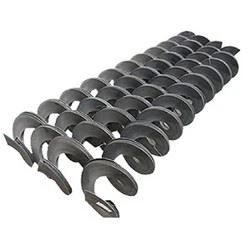
Some of our popular extruded spares include Continuous Cold Rolled Screw Flight, Equal Thickness Sectional Screw Flight, and Polyester Conveyor Belt. These products are designed to meet the highest industry standards and comply with all relevant trade regulations.
Conclusion
In conclusion, trade regulations for extruded spares are a complex and ever - evolving landscape. As a supplier, I need to navigate these regulations carefully to ensure the success of my business. By understanding the implications of tariffs, quality and safety standards, documentation requirements, and environmental regulations, I can make informed decisions about my sourcing, production, and marketing strategies.
If you're in the market for high - quality extruded spares, I invite you to reach out to me for more information. I'm committed to providing products that meet your needs and comply with all relevant trade regulations. Let's start a conversation about your requirements and explore how we can work together to achieve your business goals.
References
- World Trade Organization. (2023). Trade Policies and Tariffs.
- International Organization for Standardization. (2023). ISO Standards for Industrial Products.
- European Union. (2023). CE Marking Regulations.


