

What is the difference between a single - screw and a twin - screw extrusion screw?
Leave a message

Hey there! As a supplier of extrusion screws, I often get asked about the differences between single - screw and twin - screw extrusion screws. So, I thought I'd break it down for you in this blog post.
Let's start with the basics. An extrusion screw is a crucial part of an extruder, which is a machine used to create products by forcing material through a die. The screw plays a key role in melting, mixing, and conveying the material through the extruder.
Single - Screw Extrusion Screws
Single - screw extrusion screws are the most common type of screws you'll find in the extrusion industry. They're pretty straightforward in design. It's basically a single rotating screw inside a barrel.
One of the main advantages of single - screw extrusion screws is their simplicity. They're easier to operate and maintain compared to twin - screw ones. If you're on a tight budget or just starting out in the extrusion business, a single - screw extruder might be a great choice. The cost of both the screw and the overall extruder machine is generally lower.
Another plus is that single - screw extrusion is well - suited for processing materials that don't require a lot of mixing. For example, if you're making simple plastic pipes or sheets, a single - screw extruder can do the job just fine. The screw rotates and moves the material forward in a relatively linear way, pushing it through the die to get the desired shape.
However, single - screw extrusion screws also have their limitations. They aren't very efficient at mixing complex materials. If you're working with materials that need to be thoroughly blended, like polymers with additives or multiple types of plastics, a single - screw might not be up to the task. The mixing action is limited because there's only one screw, and it mainly relies on the friction between the material and the barrel walls.
Twin - Screw Extrusion Screws
Now, let's talk about twin - screw extrusion screws. As the name suggests, these have two screws working together inside the barrel. There are two main types: co - rotating and counter - rotating twin - screws.
Co - rotating twin - screws rotate in the same direction. They offer excellent mixing capabilities. The two screws intermesh, which means they can knead and blend materials very effectively. This is great for applications where you need to mix different polymers, add fillers or additives, or perform chemical reactions during the extrusion process. For instance, in the production of high - performance plastics or compounding materials, co - rotating twin - screws are often the go - to choice.
Counter - rotating twin - screws, on the other hand, rotate in opposite directions. They provide a different kind of mixing and conveying action. They're good for applications where you need high pressure and high output. Some industries use counter - rotating twin - screws for processing materials like PVC (polyvinyl chloride) because they can handle the high - viscosity nature of PVC better.

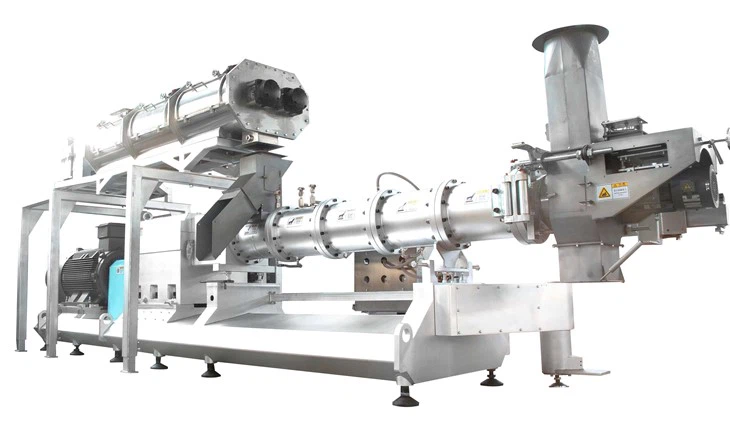
One of the big advantages of twin - screw extrusion is the high degree of control you have over the process. You can adjust the speed, temperature, and other parameters to fine - tune the mixing, melting, and extrusion of the material. This makes twin - screw extruders very versatile and suitable for a wide range of applications.
But twin - screw extrusion screws come with a higher price tag. The equipment is more expensive to buy, and the maintenance can be more complex. You need to be more skilled to operate a twin - screw extruder because there are more variables to manage.
Applications
Let's look at some specific applications to see how these differences play out in real - world scenarios.
In the food industry, single - screw extruders are often used for making simple snacks like corn chips. The cornmeal doesn't need a lot of mixing, and the single - screw can quickly push it through the die to form the chips. On the other hand, twin - screw extruders are used for making more complex food products like textured vegetable protein. The twin - screws can effectively mix the soy protein with other ingredients and create the right texture.
In the plastic industry, single - screw extruders are commonly used for making basic plastic films and pipes. For more advanced applications such as making engineering plastics with high - performance additives, twin - screw extruders are preferred. The twin - screws can ensure that the additives are evenly distributed throughout the plastic matrix.
Comparison of Performance
When it comes to performance, there are a few key areas to consider.
Output Rate: Generally, twin - screw extruders can have a higher output rate, especially when it comes to processing high - viscosity materials. The two - screw design allows for better material flow and more efficient conveying. However, single - screw extruders can also have a decent output rate for less demanding applications.
Mixing Quality: As mentioned earlier, twin - screw extruders win hands - down in terms of mixing quality. They can achieve a much more uniform blend of materials compared to single - screw extruders.
Energy Efficiency: Single - screw extruders are often more energy - efficient for simple processes because they have fewer moving parts. But for complex processes where thorough mixing is required, the energy used in a twin - screw extruder is often justified by the better quality of the final product.
Components and Accessories
If you're in the extrusion business, you might also be interested in some related components and accessories. For example, you can check out our Beater for Atomizer. It's a great addition if you're working with atomization processes in your extrusion line.
And if you're considering a twin - screw extruder, take a look at our STSE Series Twin Screw Extruder. It's a top - of - the - line machine that offers excellent performance and reliability.
Also, for your conveying needs, our Polyester Conveyor Belt is a great option. It can help you move your extruded products efficiently through your production line.
Making the Right Choice
So, how do you decide whether to go for a single - screw or a twin - screw extrusion screw? It really depends on your specific needs. If you're on a budget, have simple materials to process, and don't need a lot of mixing, a single - screw extruder might be the way to go. But if you're working with complex materials, need high - quality mixing, and have the budget for it, a twin - screw extruder is probably a better choice.
If you're still not sure, feel free to reach out to us. We're here to help you make the right decision based on your production requirements. Whether you're just starting a new project or looking to upgrade your existing extrusion line, we can provide you with the right extrusion screws and support.
We understand that every business is unique, and we're committed to providing you with the best solutions. So, if you're interested in purchasing extrusion screws or related equipment, don't hesitate to contact us. We can have a detailed discussion about your needs and offer you a customized solution.
References
- "Extrusion of Polymers: Theory and Practice" by Z. Tadmor and C. G. Gogos
- "Handbook of Plastic Extrusion Technology" by Edward A. Griskey


