

What is the corrosion resistance of an Extrusion Screw?
Leave a message

Hey there! As a supplier of Extrusion Screws, I often get asked about the corrosion resistance of these essential components. So, let's dive right in and explore what corrosion resistance in an Extrusion Screw really means.
First off, what is corrosion? Well, corrosion is basically the deterioration of a material, usually a metal, due to chemical reactions with its environment. For Extrusion Screws, this can be a major issue. These screws are used in all sorts of industries, like plastics, food, and pharmaceuticals. They're constantly in contact with different materials, some of which can be pretty harsh on the screw's surface.
Let's talk about the factors that affect the corrosion resistance of an Extrusion Screw. One of the most important things is the material the screw is made of. Common materials for Extrusion Screws include stainless steel, tool steel, and alloy steel. Stainless steel is a popular choice because it has a high chromium content. Chromium forms a thin, protective oxide layer on the surface of the steel, which helps prevent corrosion. This oxide layer is self - healing, meaning if it gets damaged, it can reform as long as there's enough oxygen present.
Tool steel, on the other hand, is known for its high hardness and wear resistance. However, its corrosion resistance isn't as good as stainless steel. Tool steel can be more prone to rusting, especially when exposed to moisture or corrosive chemicals. Alloy steel is a bit of a middle - ground. It can be formulated to have different properties depending on the specific alloying elements added. Some alloy steels can offer good corrosion resistance along with other desirable characteristics like high strength.
Another factor is the surface finish of the Extrusion Screw. A smooth surface finish can reduce the likelihood of corrosion. Rough surfaces can trap moisture and corrosive substances, creating areas where corrosion can start and spread. By having a smooth finish, it's easier for the protective oxide layer (if present) to form and stay intact.
The operating environment also plays a huge role. In the plastics industry, for example, Extrusion Screws are often exposed to high temperatures and various plastic resins. Some plastic resins can release corrosive gases during the extrusion process. In the food industry, screws may come into contact with acidic or alkaline food products. And in the pharmaceutical industry, they can be exposed to chemicals and solvents. All these environments can accelerate the corrosion process if the screw isn't properly protected.
Now, let's look at some ways to enhance the corrosion resistance of Extrusion Screws. One common method is coating. There are different types of coatings available. For instance, a ceramic coating can provide excellent corrosion resistance. Ceramic coatings are hard, wear - resistant, and can act as a barrier between the screw and the corrosive environment. Another option is a polymer coating. Polymer coatings can be tailored to have specific chemical resistance properties, making them suitable for different applications.
Heat treatment can also improve corrosion resistance. By subjecting the screw to specific heat treatment processes, the microstructure of the material can be altered. This can make the material more resistant to corrosion. For example, some heat treatment processes can increase the uniformity of the protective oxide layer on stainless steel.
As a supplier, I know how important it is to offer Extrusion Screws with good corrosion resistance. That's why we make sure to use high - quality materials and advanced manufacturing techniques. We also offer a range of options when it comes to coatings and heat treatments to meet the specific needs of our customers.
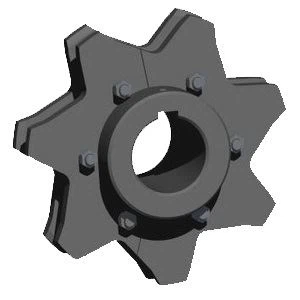
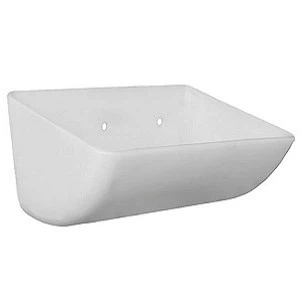
If you're in the market for Extrusion Screws, you might also be interested in some related products. Check out our Enhanced Screw Flight, which can work in tandem with our Extrusion Screws to improve the overall performance of your extrusion system. And for those in the conveying equipment field, our Plastic Elevator Bucket and Froged Chain Sprocket are great options.
When it comes to corrosion resistance, it's not just about protecting the screw itself. It's also about ensuring the quality of the end - product. A corroded screw can contaminate the material being extruded, which can lead to product defects. This is especially critical in industries like food and pharmaceuticals, where product quality and safety are top priorities.
In addition to the factors I've mentioned, maintenance also has a big impact on the corrosion resistance of Extrusion Screws. Regular cleaning and inspection can help detect early signs of corrosion. If corrosion is caught early, it can often be treated before it causes significant damage. For example, if a small area of corrosion is found on the surface of the screw, it can be cleaned and a protective coating can be reapplied.
Proper storage of Extrusion Screws is also important. When not in use, screws should be stored in a dry, clean environment. Moisture in the storage area can lead to corrosion, even if the screw is made of a corrosion - resistant material.
As technology advances, we're constantly looking for new ways to improve the corrosion resistance of our Extrusion Screws. Research is being done on new materials and coating technologies. For example, nanocomposite coatings are being explored as a potential option. These coatings can offer even better corrosion resistance and other beneficial properties like improved wear resistance.
In conclusion, the corrosion resistance of an Extrusion Screw is a complex but crucial aspect. It depends on factors like the material, surface finish, operating environment, and maintenance. As a supplier, we're committed to providing high - quality Extrusion Screws with excellent corrosion resistance. If you have any questions about our products or need help choosing the right Extrusion Screw for your application, don't hesitate to reach out. Whether you're in the plastics, food, or pharmaceutical industry, we have the expertise and products to meet your needs.
If you're interested in discussing your specific requirements or want to place an order, feel free to start a conversation with us. We're here to assist you in getting the best Extrusion Screws for your business.
References
- "Corrosion Science: Principles and Applications" by Pierre R. Roberge
- "Materials Science and Engineering: An Introduction" by William D. Callister, Jr. and David G. Rethwisch


